
Prologue
“If you’re gonna give someone flowers, you should probably do it before they wither and die.”
Gustave paces beside a stone bench, home to a rose that has lost its thorns, in a vibrant rooftop garden overlooking an unusually lively harbor. Maelle, his adopted younger sister, politely suggests he deliver the flower before sunset. They talk about an upcoming expedition and those who came before, with a sense of hopeful dread most would find uncanny, as well as a Gommage for a select few in their community. Gustave steels himself and makes his way to his fateful recipient.
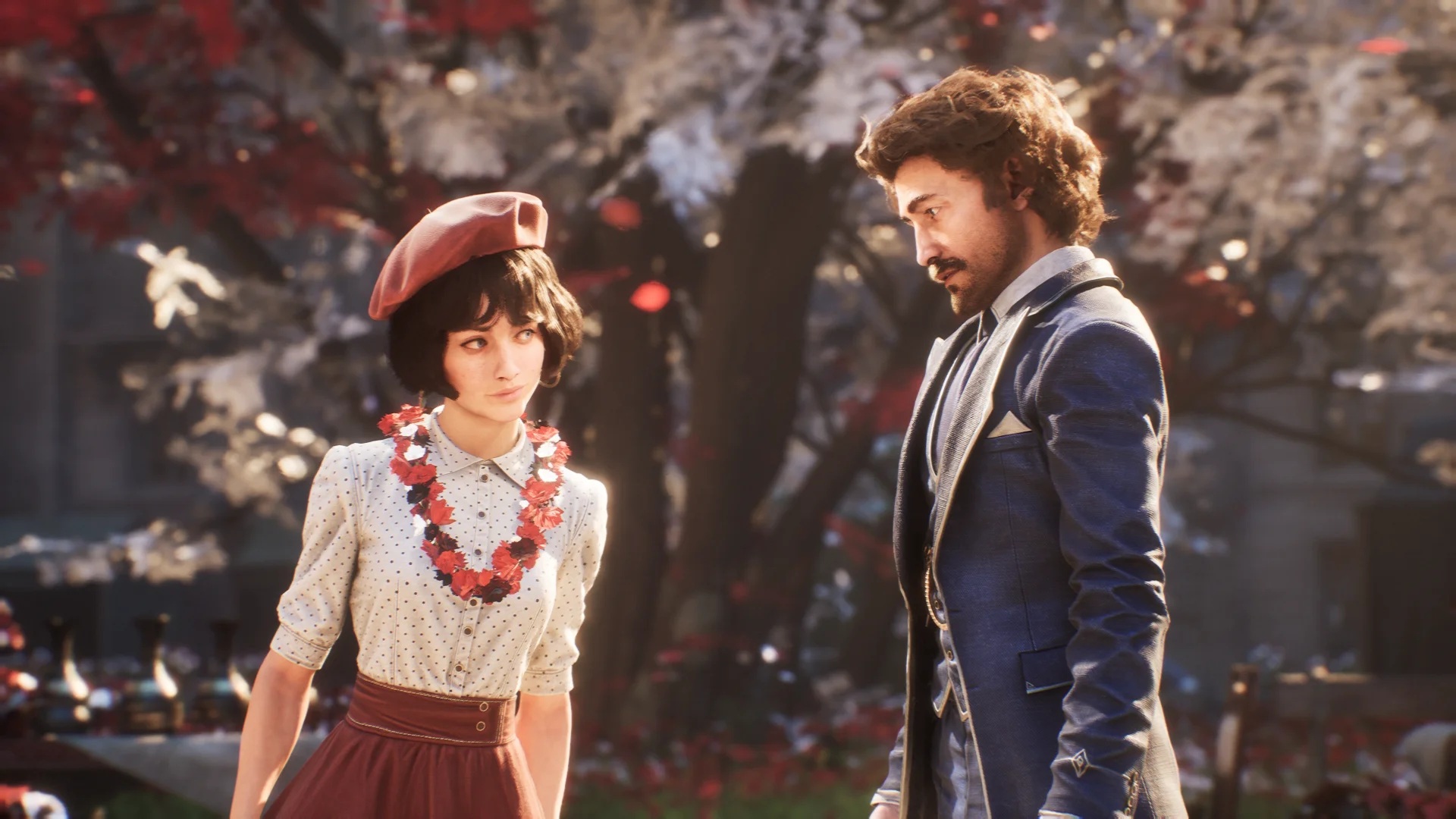
In a lonely town square, centered on an oak tree coated in red and white leaves, Gustave approaches Sophie, a woman similarly dressed in red and white. Another pair walks away as Gustave approaches, his nervousness hanging around every word like the necklace of petals around her neck: “Could we talk?” He asks if he can place his rose with hers, “if there’s room,” and she smiles, “there’s always room.” The fairytale-esque reunion continues as the couple awkwardly talk over one another, and Gustave stumbles over the words he’d clearly rehearsed all day. They reminisce about what they’d missed, dreams they could’ve shared “in another world,” as Gustave walks Sophie down to the harbor.
As they walk, a great, looming pillar thousands of miles away lights up with a “34.” They pass musicians and lively bands, merchant stalls with discounted deals, and parents hugging their children, other couples reduced to tears. The ongoing festivities at the harbor aren’t celebrations; it’s a funeral for the living. Gustave and Sophie make their way to the water’s edge, just in time to see the pillar paint itself with a “33.” Sophie begins to shake, Gustave knowing what’s about to happen. The others at the pier slowly fade, turning into red and white petals, being whisked away by the wind. Gustave holds Sophie’s hands and says, “I’m here.” “I know,” she replies, fading away, leaving Gustave to watch each petal drift off into a fractured sky.
If only I knew that gommage, in French, means “to erase.”
Act I: Clair
What happens when reality hurts enough that we’d rather live somewhere else?
I don’t normally cry during movies, TV shows, or video games, but if I do, there’s a clear thematic pattern. I can name a few off the top of my head, and I’m a bit embarrassed to admit them. I once cried on a crowded bus commuting home at the last line of Andrzej Sapkowski’s Sword of Destiny, the second volume of The Witcher short stories. Geralt, having recently split from his lover, Yennefer, who claims she needs “something more,” reunites with his adopted daughter, Ciri, and says she’s part of his destiny. Geralt replies, “You’re more than that, Ciri. Much more.”
I cried at the last panel of Attack on Titan, where Mikasa thanks Eren for always wrapping her scarf around her. I can’t explain why, but I shed a single tear at Bella and Edward’s wedding in Twilight: Breaking Dawn Part 1; I mostly blame the music. And I absolutely cried over characters I’d just met in the first 15 or so minutes of Clair Obscur: Expedition 33.
The term clair-obscur literally translates from French as “light-dark,” equivalent to the Italian artistic term chiaroscuro. This painting technique originated during the Renaissance, used by Caravaggio, Leonardo da Vinci, and Rembrandt, and refers to the extreme contrast between light and dark in a visual piece to create a dramatic effect. The juxtaposition creates a sense of three-dimensional shape and depth.
From Caravaggio’s The Calling of Saints Peter and Andrew to Francis Ford Coppola’s The Godfather, chiaroscuro creates suspense, a pause that compels the viewer to pay attention and see the piece for what it is and the emotion it commands.
Act II: Obscur
I’ll be spoiling the entirety of Clair Obscur: Expedition 33, so please play one of the best video games not only of this generation, but of all time. It truly bends the medium to its will, blending an exceptional voice cast, an orchestrated soundtrack, a solemn yet hopeful narrative, and a lovingly iterative gameplay loop that deserves all nine record-breaking awards at The Game Awards in 2025. Please, for me.
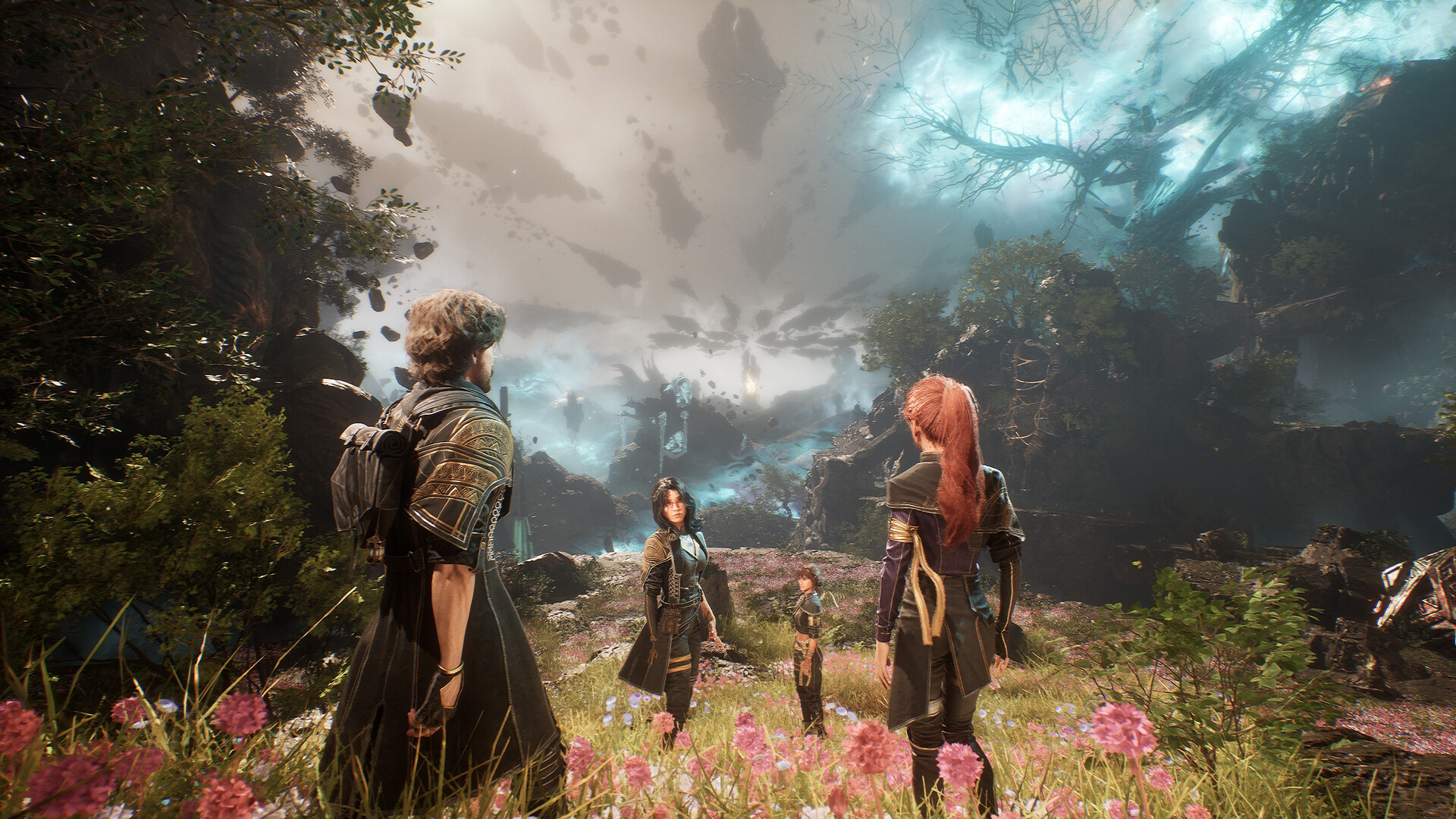
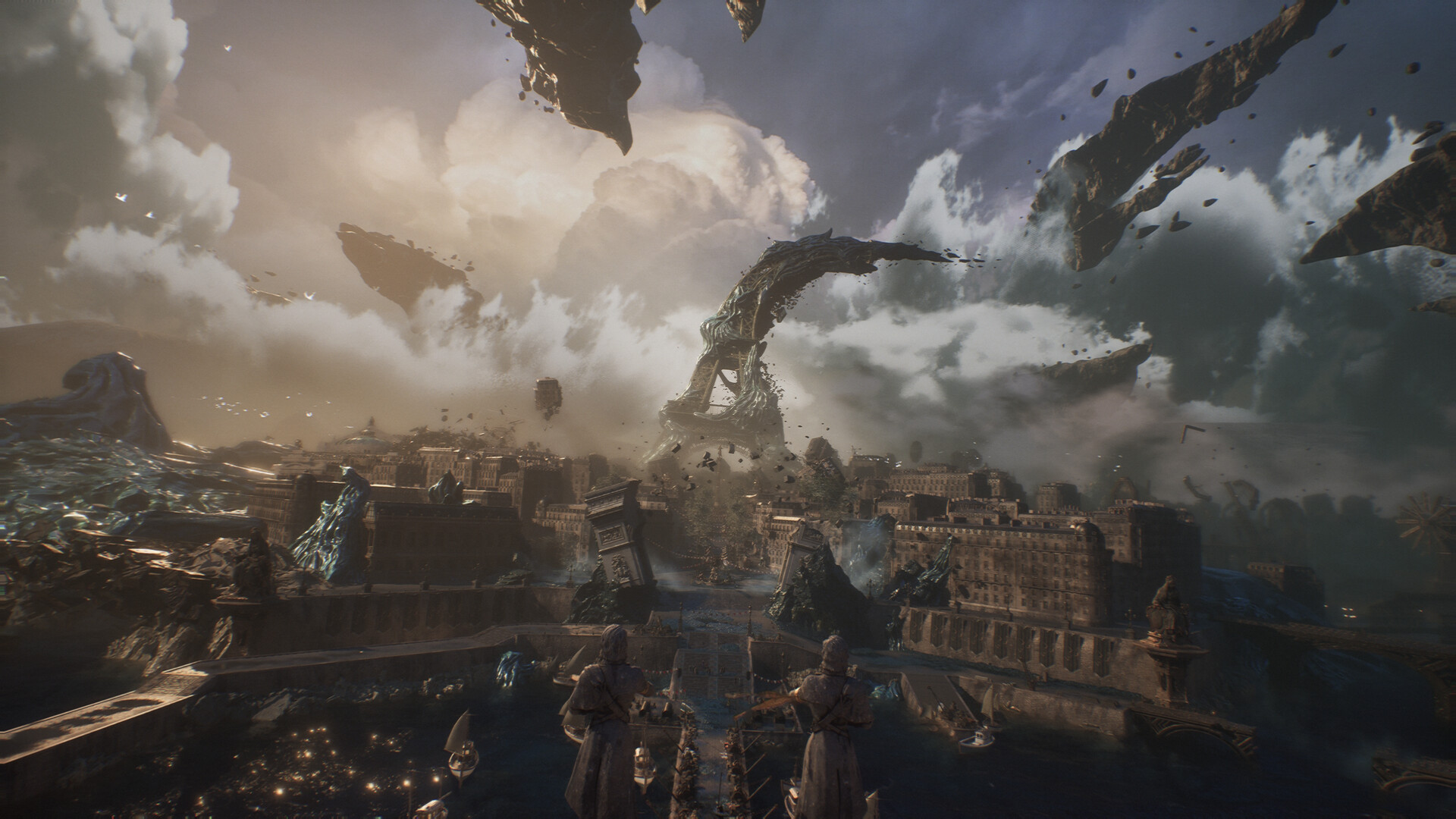
For those who’d rather I wax poetic, I’ll do my best to explain the most important parts of its narrative that highlight its main themes and messages. Gustave, Maelle, and others travel from their loosely and eerily Paris-inspired city of Lumière, which is separated from the main continent. The giant pillar, created by the Paintress, counts down each year from 100 to 0, capping the maximum age. Anyone who reaches the age depicted on the pillar is erased. To stop that, Lumière’s citizens organize expeditions to the mainland to kill the Paintress and stop the countdown, made up of those who would be erased the following year. Their rallying cry, “Tomorrow Comes,” invokes hope for those who come after, persevering through hardship in the face of overwhelming peril.
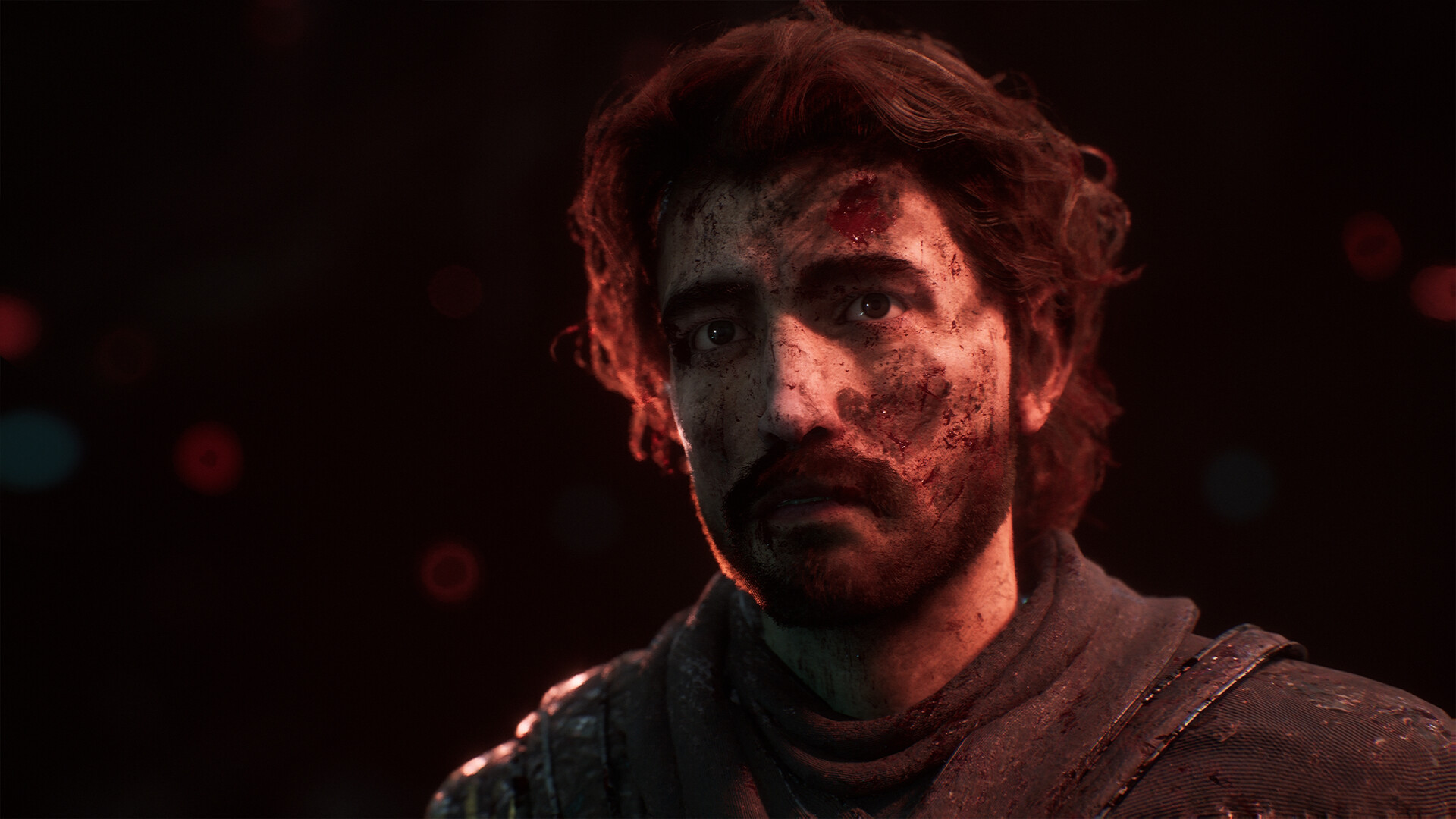
As Gustave, 33, and Maelle, 16, arrive on the mainland, their group is nearly massacred without prejudice. Later, Gustave tragically and unexpectedly dies protecting Maelle at the end of the first act, and is effectively replaced by Verso, an enigmatic character shrouded in lies and deceit. The group travels together and bonds as they head to the Paintress, defeat her, and believe they’ve stopped the Gommage countdown.
The game’s most shocking and effective reveal, masterfully and subtly foreshadowed throughout: the world the game is set in is artificial, a painting controlled by Verso’s mother, Aline Dessandre. “Canvases” can be entered, and painters can act as gods, creating and destroying whatever they wish. Aline, the Paintress, and her husband, Renoir, are the parents of Verso and Alicia, who lives in the Canvas as Maelle.
Before the game takes place, arsonists set fire to the Dessandre family estate, where the real Verso sacrificed himself to save Alicia, who suffered from intense burn scars on her face and lost her voice. Aline, distraught from grief, threw herself into Verso’s childhood Canvas and created a painted version of her family and world and lived in her newfound reality. Renoir, knowing firsthand how dangerous prolonged exposure to living in Canvases can be, followed her and began to erase the canvas’s inhabitants to force her out.
Wanting to help her parents, Alicia entered the Canvas but was accidentally “painted over” as “Maelle.” She eventually learns about her real life, becoming a blend of the “painted” Maelle and the “real” Alicia, and she vastly prefers her life in the Canvas to her burned, voiceless reality. The group eventually defeats Renoir, and as he leaves the Canvas, the painted Verso plans to destroy it so his real family can grieve properly. Maelle blocks him, wanting to stay in the painting a bit longer, away from her scarred, grief-filled reality.
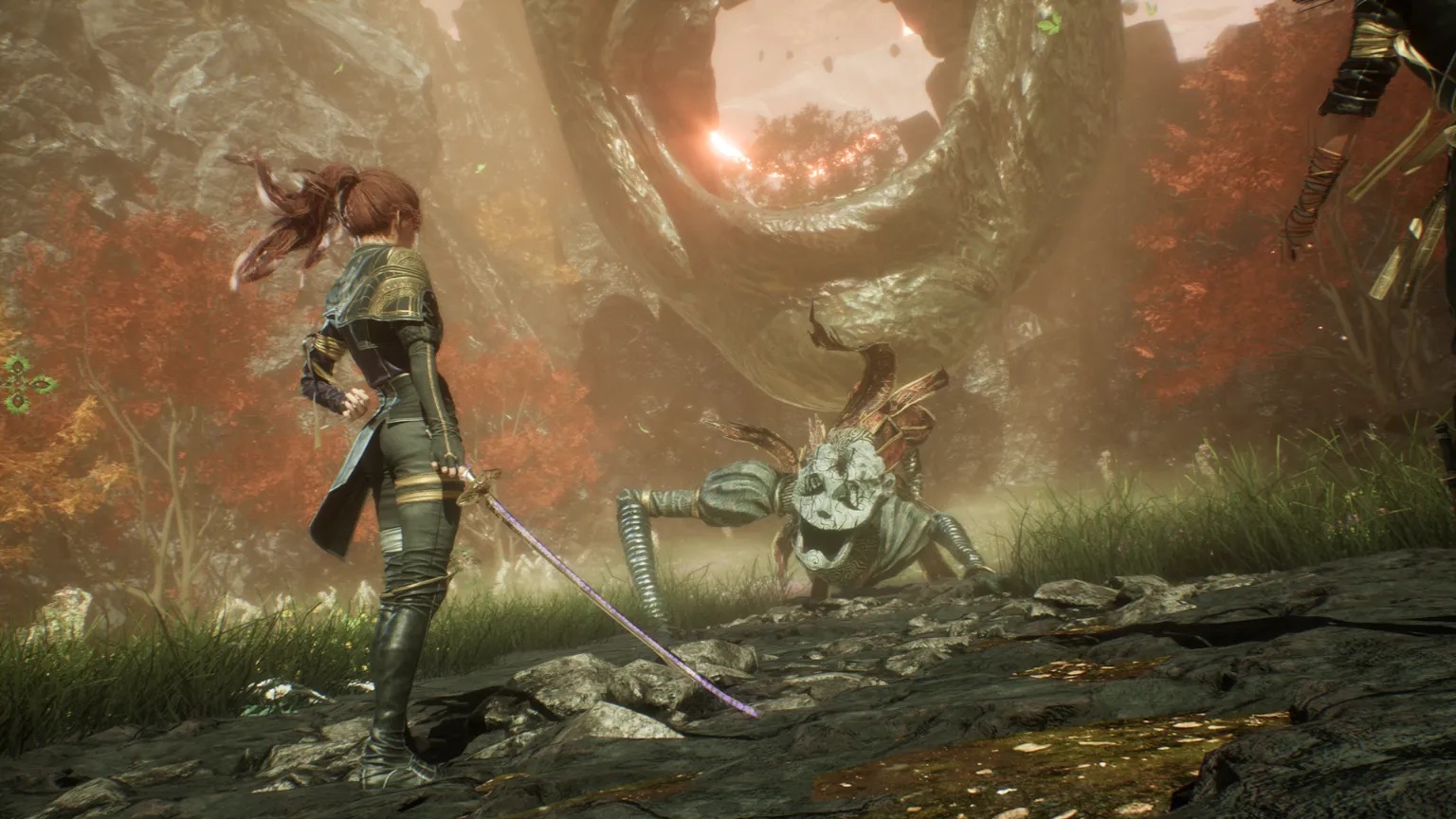
As the two stand across from each other, swords drawn, a text box appears. “Decide the fate of the Canvas.” The player can choose either “Fight as Maelle” or “Fight as Verso.” I wouldn’t come back to this decision for another few hours, and when I did, I chose wrong.
Intermission
Less than a month after turning 30, I said goodbye to my 15-year-old family dog and buried him under his favorite shady tree in my parents’ backyard on a cold, dreary January evening. Two months later, after weeks and two arduous rounds of interviews and copyediting tests, I read a soulless, robotic email saying they’d rejected my candidacy for my dream role as an editor at NYC’s largest video game developer and publisher. In the middle of the summer, for reasons I don’t want to explain, I lost my job of six years and just as easily, a friend I deeply cared for.
After each loss, I found myself revisiting the drunken comfort of control given to me in video games. Power fantasies designed to bend to my every whim, epic narratives that made my problems seem not-so-world-ending. If I made a mistake or something didn’t work out the way I wanted, I’d reload a save. Like it never happened. I could look up walkthroughs, tip guides, and stupidly long YouTube tutorials to make the game play exactly how I wanted, without ever worrying about losing. Like any other TV show, movie, or novel, video games are artificial worlds we throw ourselves into for potentially hundreds (or even thousands) of hours, to the detriment of our mental well-being, but the emotions we feel inside aren’t artificial. I cried over characters who don’t exist. I loved a dog, a job, and a friend who did. But I always had to put the controller down eventually.
There’s a stark difference between preserving an illusion because reality hurts and accepting reality, however painful, as the place where life continues.
A few weeks before we said goodbye to Clancy, my mom came into my room and asked what I wanted to do about him. The vet explained to us that we had a variety of options, from surgery to possibly remove the cancer with a chance it’d come back, giving him Chinese herbal medicine to ease his pain, or a dreadful phone call. I told her I wanted to do anything and everything I could to keep him around as long as possible, knowing full well how selfish that choice felt. I couldn’t say goodbye yet; I didn’t want to. It wasn’t until he licked my tears one night, through all his aches and pains, that I understood what I’d been asking of him. Like Maelle, I wanted more time in a world that was no longer kind to him. The next day, I called.
You can do everything reasonably possible and still lose something, and that something can be gone without ever having been “unreal.” A thought I naïvely returned to was, “If I can’t have it anymore, maybe I never really had it. Maybe it was never real.” That wasn’t true. I loved him, and I had to let him go. I wanted that dream, and I failed to get it. I loved my friend, and I may never speak to her again. The loss never invalidates what once was.
Eventually, “tomorrow comes.” Not “tomorrow will be better”; “tomorrow comes.” But what do we make of tomorrow?
Part III: Final Fantasy
Grief gives us two impossible desires: to return to the world before our loss, or another one altogether, and to somehow continue living in the world after it. Clair Obscur asks what happens when we choose the first. Final Fantasy VII asks what happens when we have no choice but to continue living.
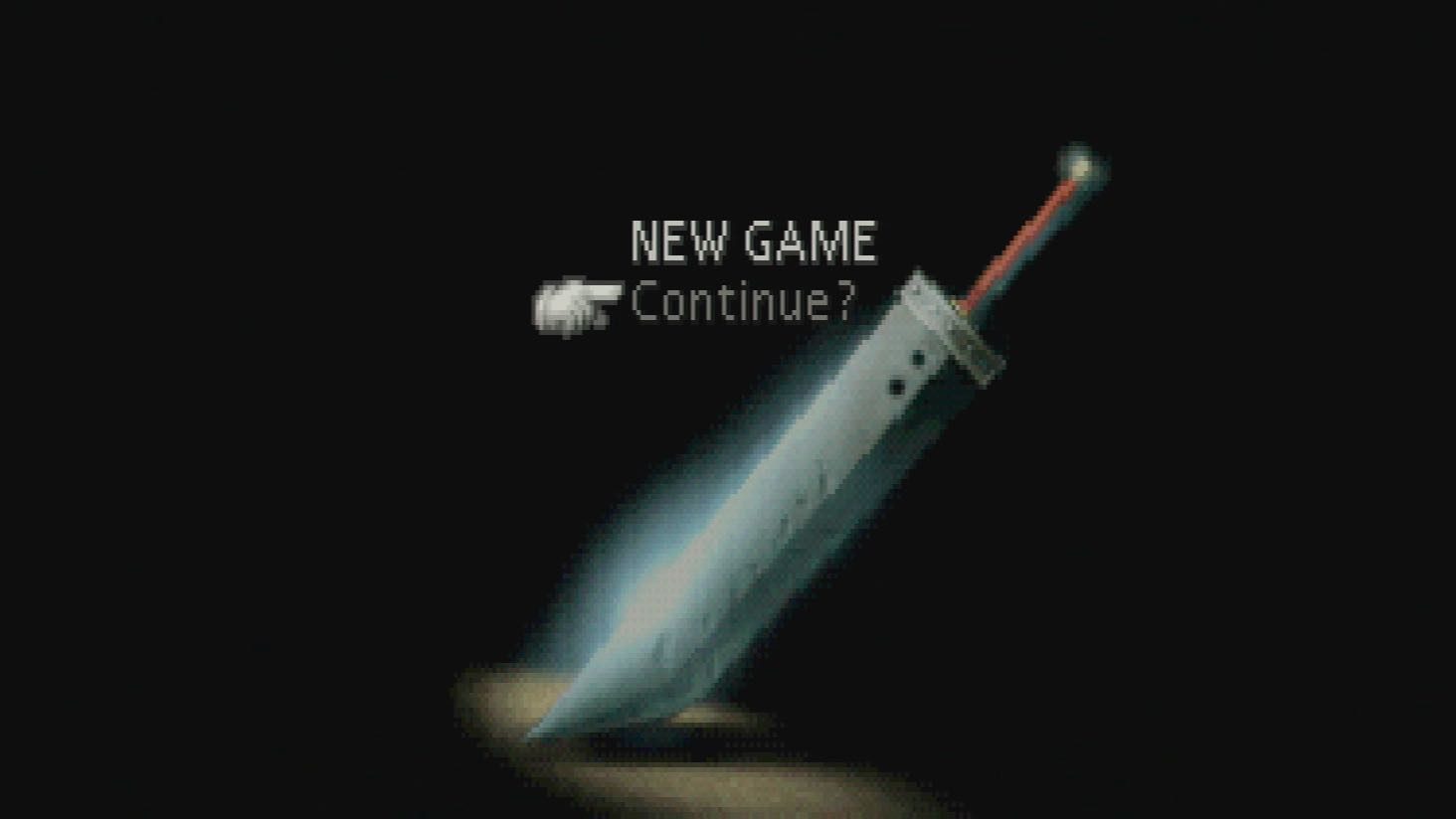
Final Fantasy VII’s cast fights to save the world from a giant meteor on a collision course with the planet.
Cloud, Barret, Aerith, and the rest of the party are deeply familiar with loss and grief throughout 1997’s generation-defying, turn-based Japanese role-playing game. Each poses its own answer to, “Well, what now?” What if what you’ve lost is yourself? What if what you’ve lost is someone you can’t save? What if what you’ve lost is part of the reason you wanted to live?
Over the course of the game, Final Fantasy VII’s protagonist, Cloud, goes from a stoic, confident mercenary who only cares about money to a confused, deeply vulnerable mess. The persona he constructed in the aftermath of Zack’s death begins to crumble under the weight of his uncertainty. His friends helped him find his way back, but he still had to confront himself to realize who he was and what he lost.
When an accident occurs in Barret’s hometown, a corporation razes the rest of the town to cover it up, leading to the supposed loss of Barret’s friend Dyne and the adoption of Dyne’s daughter, Marlene. The party eventually returns to Barret’s hometown, where he unexpectedly reunites with Dyne. Misguided by revenge and blind hatred, Dyne fires on Barret and the party, only to end up tragically taking his own life and leaving Barret to pick up the pieces. Barret’s relationship with Marlene isn’t a replacement; it grounds him in what remains and gives him a reason to build a future instead of staying consumed by the past.
Aerith and her mother were the last known Cetra, an ancient race that originally inhabited the planet. Prized and pursued for their ancient blood, Aerith loses her mom and is left on her own at a young age. Years later, she meets and joins Cloud’s party. In one of the most shocking moments in video game history, the antagonist kills Aerith, leaving the party and the player to mourn her for the rest of the game. Her death isn’t a lesson everyone is expected to be grateful for. The party can’t return to the world they had with Aerith, but they can fight to protect the planet and the people she loved, and keep her memory alive.
Epilogue
Moving on from loss is easier said than done. Finding reasons to continue isn’t always so explicit or immediate.
The night before the final battle, Cloud tells the party to spend what may be their last evening searching for their personal reason to keep fighting. Saying they want to protect the planet is easy; why do they want to save it? “I’ve been thinking. I think we’re all fighting for ourselves. For ourselves, and that someone, something, whatever it is, that’s important to us,” he says. The party doesn’t continue despite what they’ve lost. They continue because of what remains.
When I lost Clancy, I had to find something else to live for. Admittedly, I’m still looking. But we don’t have to stop loving the world we lost to keep living in the world that remains.

